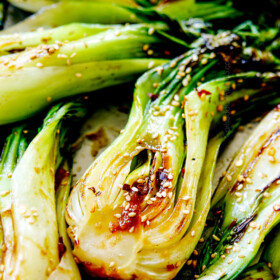
Bok choy is the answer to what do I serve with???? – on your table in 10 minutes! It’s a simple, healthy, versatile dinner side made with minimal effort but HUGE flavor dressed in a heavenly sesame, soy, garlic, ginger glaze. In this post, you’ll learn how to select bok choy, how to prepare bok choy and how to cook bok choy with beautiful caramelized edges and crisp-tender stalks OR use the “jump to recipe button” to skip directly to the recipe card.
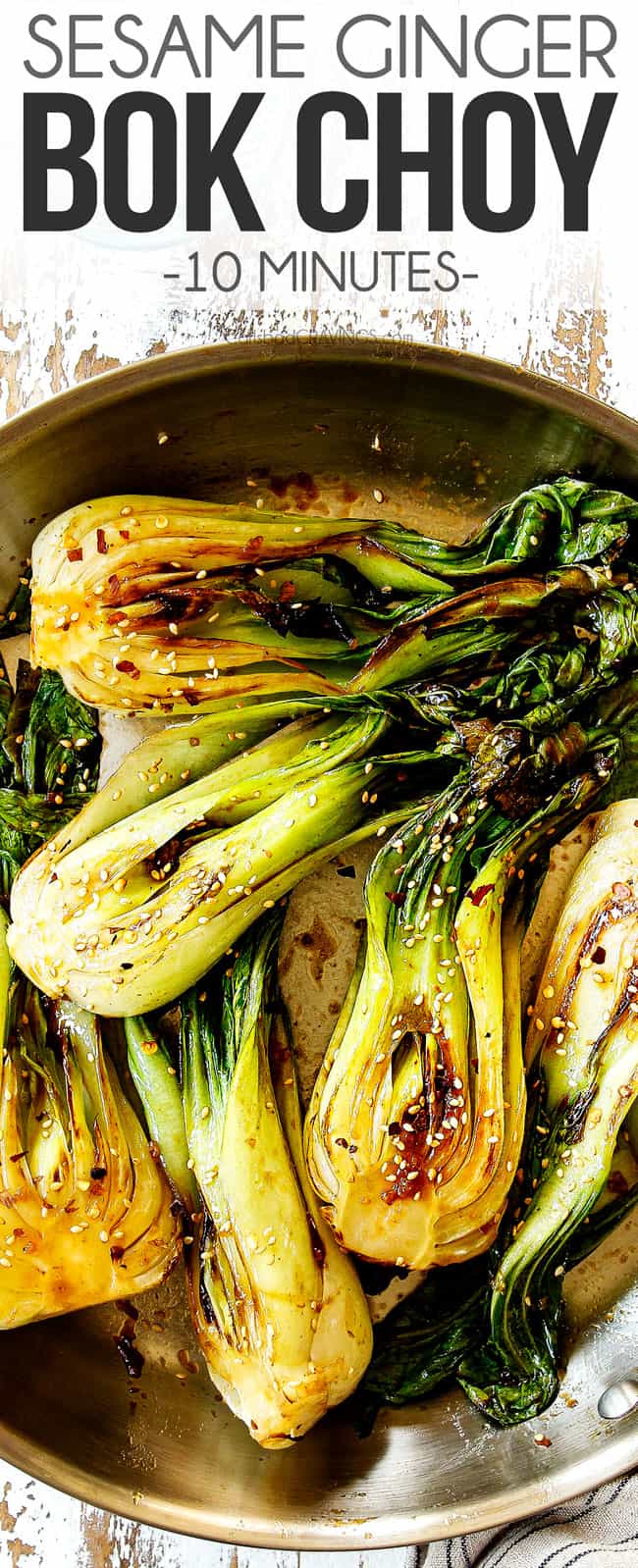

Why you’ll love this Bok Choy Recipe
You will be obsessed with this bok choy recipe! It’s my go-to side for all my Asian recipes and will pull you out of your side-dish rut. This bok choy recipe:

What is Baby Bok Choy?
Bok choy, also known as Chinese white cabbage (brassica rapa spp. chinensis),pak choyor pok choi is a cruciferous vegetable in the same family as kale, cabbage, cauliflower and chard. Its name means “white vegetable” in Cantonese. It is one of the oldest cultivated vegetables, dating back to the 5th century AD in China. Due to its long history, bok choy is a staple ingredient in Asian dishes.
Bok choy is clustered at the bottom like celery with smooth, wide, flat stalks stemming from it, each terminating in a wide leaf. Bok choy is typically available in two sizes, baby bok choy and mature bok choy, both of which can be eaten raw or cooked. Baby bok choy can be cooked all at the same time but mature bok choy needs to be chopped into smaller pieces.
Bok choy is an extremely versatile vegetable and can be stir fried, steamed, roasted, grilled etc., added to soups and stir fries; the raw leaves can be tossed into fresh salads and the fresh stalks can be added to slaws. Best of all, bok choy is packed with healthy nutrients, so it’s always a welcome addition to any meal – especially when it’s glistening with a soy, garlic ginger coating.
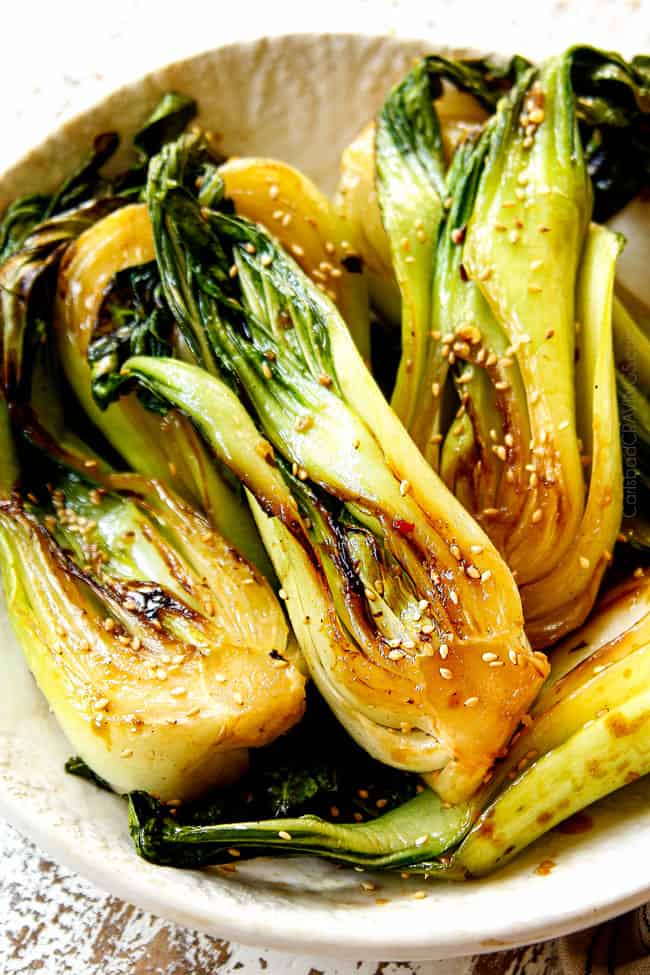

Baby Bok Choy Ingredients
This bok choy recipe uses pantry friendly ingredients to amp up the flavor of this favorite Chinese vegetable. You will need:
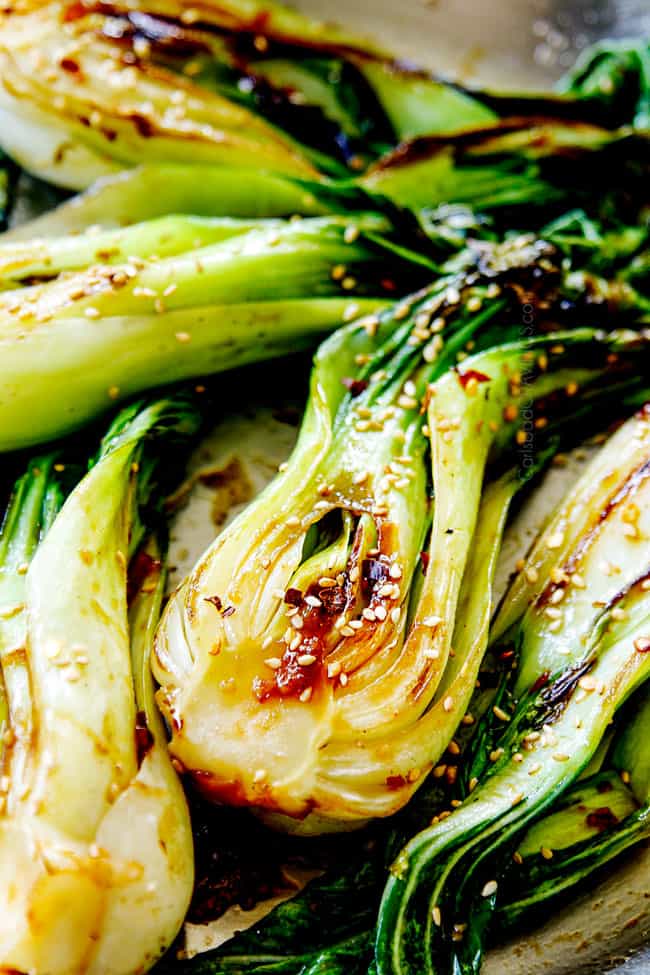

How to Choose Bok Choy
Look for: bok choy stalks that are off-white without any rusty coloration. The stalks should be firm without any cracking. The leaves should be dark green without any wilting or spots.
Avoid: any bok choy that doesn’t look fresh and perky. Avoid limp stalks, wilted or spotted leaves and discoloration of any kind.

Bok Choy Recipe variations
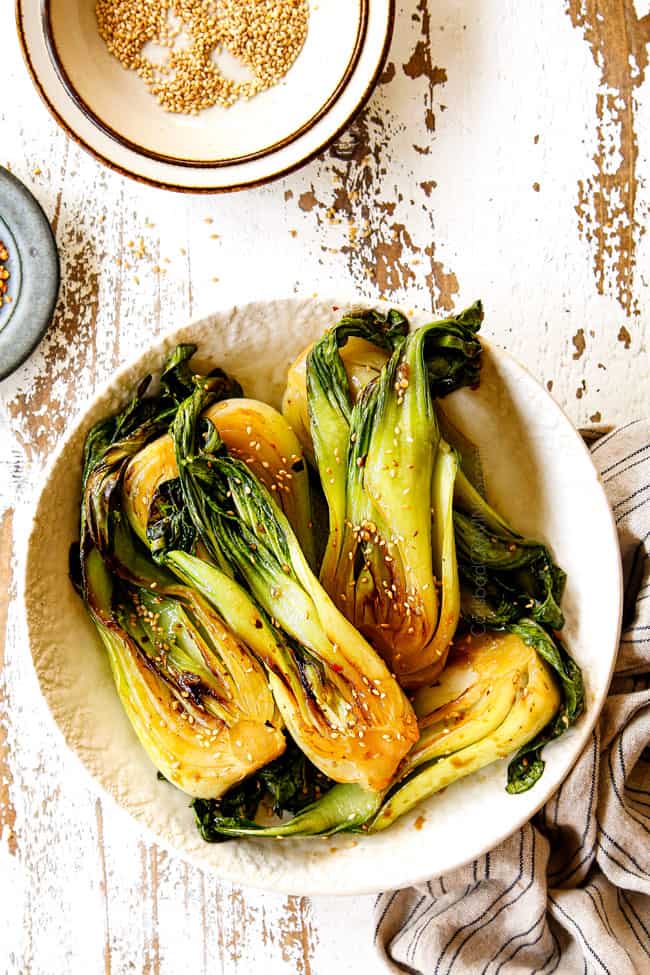

HOW TO COOK BOK CHOY
Just like all vegetables, there are many ways to cook bok choy such as stir frying, sautéing, braising, steaming, roasting, grilling, etc. I prefer the dry-heat methods because they yield the best texture and flavor -win-win! Here’s how to cook the best bok choy (full recipe in the printable recipe card at the bottom of the post):
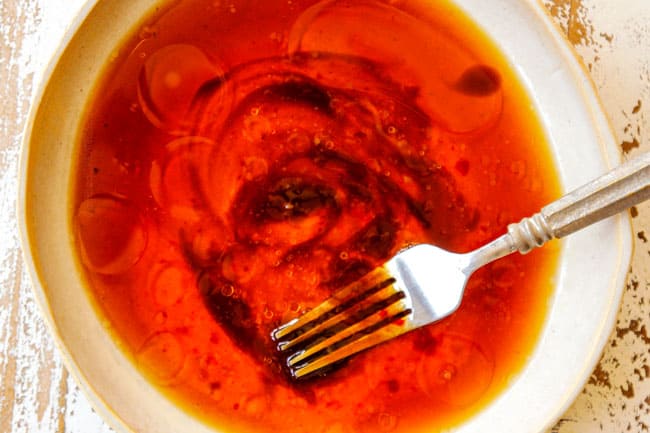
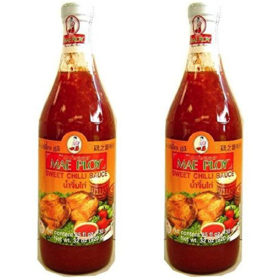
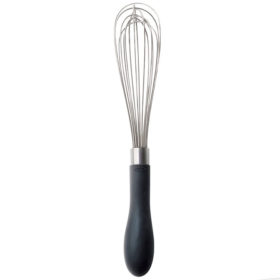
- Prep the aromatic sauce first. The first thing you’ll want to do is whisk the sauce ingredients together of soy sauce, water, sesame oil, Asian sweet chili sauce, ginger, garlic and red pepper flakes together in a small bowl. This simple sauce is savory, salty, gingery, garlicky with a kick of heat and a kiss of sweet. You want the sauce all ready to go before you start cooking so you don’t have to pause and make it while your bok choy is cooking.
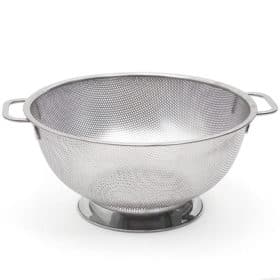
- Thoroughly wash and dry the bok choy. Place the bok choy in a colander and rinse with cold water, rubbing any grit or dirt from between the leaves; pat dry with a kitchen towel or paper towels. It is important to thoroughly dry the bok choy so it will sear and caramelize and not just steam.
- Cut bok choy. Cut each baby bok choy in half lengthwise. This gives you a flat surface to sear, keeps the bok choy intact for easy flipping and opens up the the bok choy so the sauce can envelop every nook and cranny.
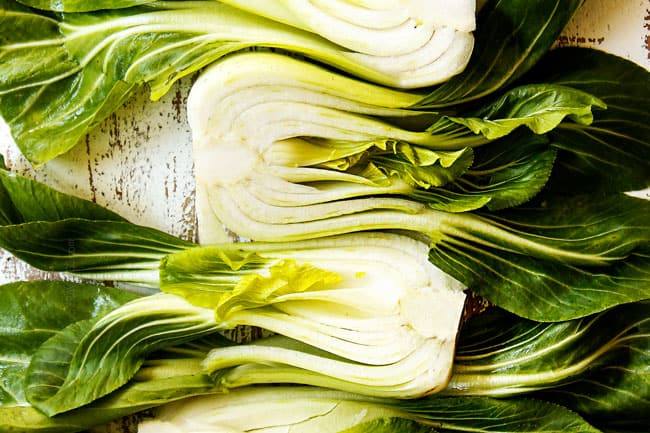
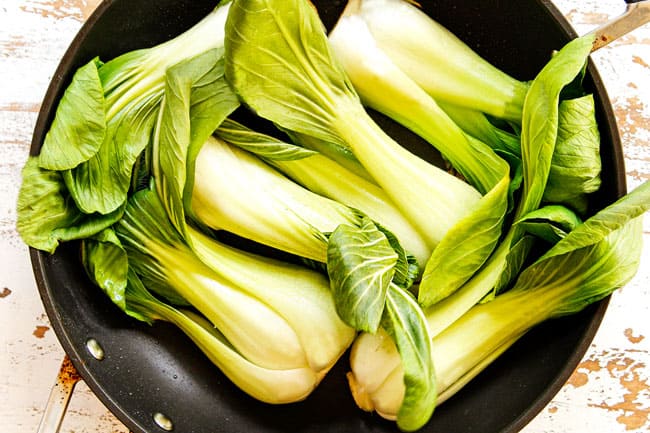
- Sear bok choy for maximum flavor. We are essentially searing the bok choy just until the white parts are crisp-tender, about 4 to 5 minutes. Searing caramelizes the bok choy, adding a nutty, sweet dimension of flavor that can’t be achieved by other cooking methods. First, you’ll add the bok choy in a single layer cut side down in a nonstick skillet and cook without stirring until the bottom starts to caramelize, about 2 minutes.
- Using tongs, flip the bok choy over and cook until the stalks begin to soften but still have some crunch (the leaves will be wilted). Transfer to a plate.
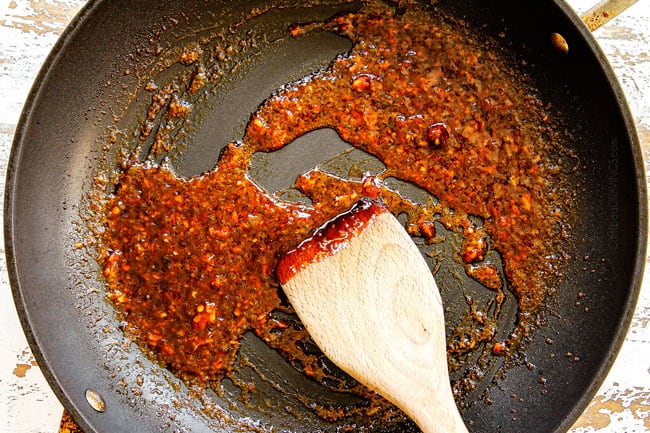
- Simmer the flavorful sauce. Next, it’s time to add the sauce. Adding the sauce at the very end of cooking allows the bok choy to caramelize first. Simmering the sauce for just a minute or so awakens the garlic and ginger and reduces it to a sticky glaze.
- Combine. Add bok choy back to the skillet and turn with tongs until each bok choy halve is glazed in the heavenly soy, garlic ginger coating.
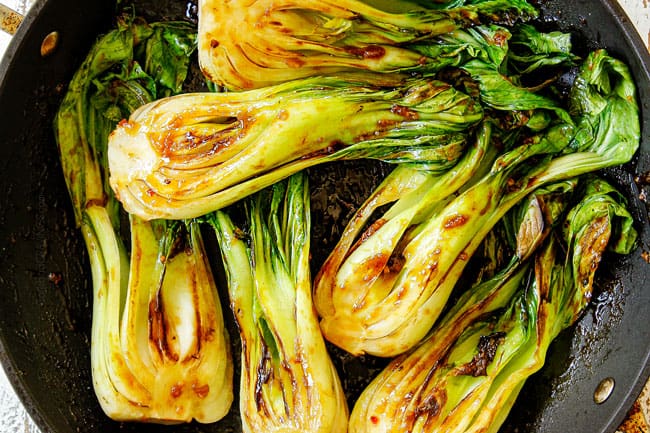
- Garnish. Transfer to a platter and garnish with sesame seeds.
How to Cook Bok Choy: 4 Ways
Seared bok choy is my favorite method of preparing bok choy but you can also cook it multiple ways using the same ingredients from this recipe:
1. Braised: cut baby bok choy or more mature bok choy lengthwise. Combine ¾ cup chicken broth, and the rest of the sauce ingredients in a large saucepan and bring to a simmer. Add bok choy and simmer for 5 to 7 minutes, just until the stalks are crisp-tender.
2. Stir-fried: Cut the bock choy crosswise to separate the white stalks and green leaves. Heat oil over medium-high heat. Add the whites and stir fry 3-4 minutes. Add the greens and soy sauce mixture and stir fry an additional 1-2 minutes or until leaves are gently wilted.
3. Grilled: Cut the baby bok choy in half lengthwise. Whisk the sauce ingredients together; set aside. Heat a grill pan over medium-high heat; brush with vegetable or canola oil. Place the bok choy cut side down on the grill pan and flip after 1 to 2 minutes. Cook for another 1 to 2 minutes, or until boy choy is wilted. Simmer the sauce in a nonstick skillet just until thickened. Transfer bok choy to the sauce and stir to combine.
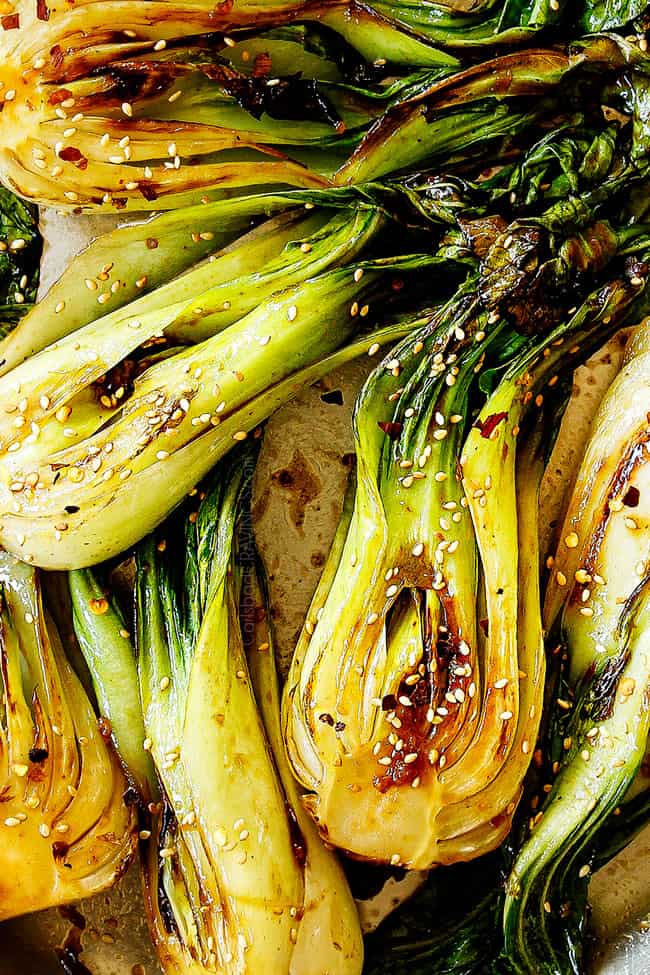

TIPS FOR COOKING BOK CHOY
How to Prepare Bok Choy
Bok choy needs to be thoroughly washed before cooking. You will be amazed at how much dirt is hidden in the nooks and crannies, especially in between the stalks, near the base.
How to cut bok choy
Large bok choy and baby bok choy can both be chopped, but only baby bok choy can be halved and still cook properly. Here’s how to cut bok choy and baby bok choy:
Large bok choy:
Large bok choy is typically chopped and treated as two separate vegetables – the stalks and the leaves because the stalks take much longer to cook. This means you’ll want to separate the greens from the whites when you chop.
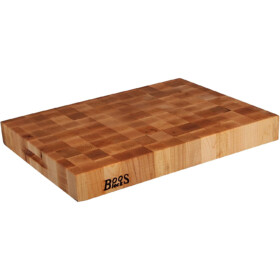
- To start, chop off the top leafy green section. Stack the leaves on top of each other and cut crosswise into strips, then back the other direction to create desired size pieces.
- For the bottom, cut off the root end, about 1-inch from the base. Slice the stalks in half lengthwise, then the other way to create desired size pieces.
baby bok choy
Baby bok choy can be eaten whole, halved lengthwise, chopped or the stalks separated.
- Chopped: cut off the root end, about 1-inch from the bottom. Stack the stalks on top of each other and, depending on size, slice in half lengthwise or proceed directly into slicing crosswise. Chopped bok choy is great in stir fries.
- Cut lengthwise: Slice the bok choy in half lengthwise, from the leaves through the stem. Halved bok choy is great for sautéing, braising, grilling or roasting.
- Individual stalks: cut off the root end, about 1-inch from the bottom then separate the stalks. Individual stalks are great for stir frying.

WHAT TO SERVE WITH THE BEST BOK CHOY RECIPE
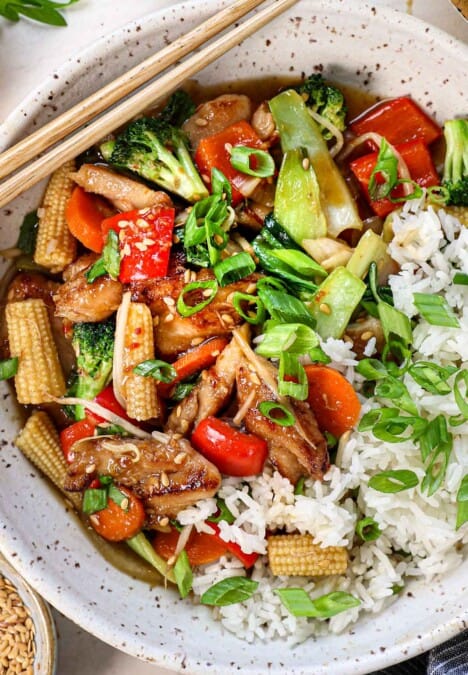
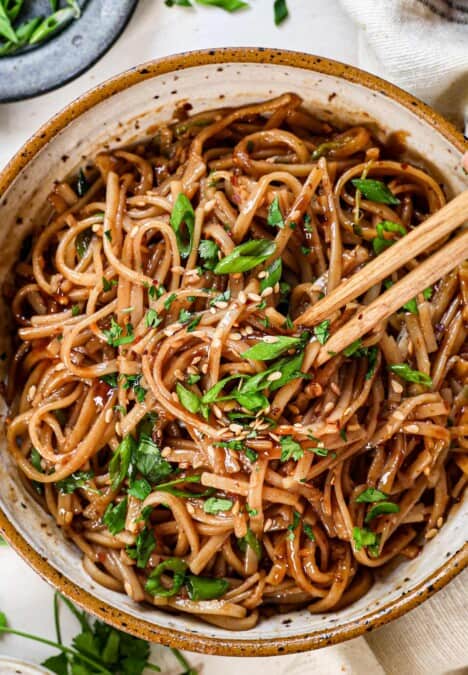
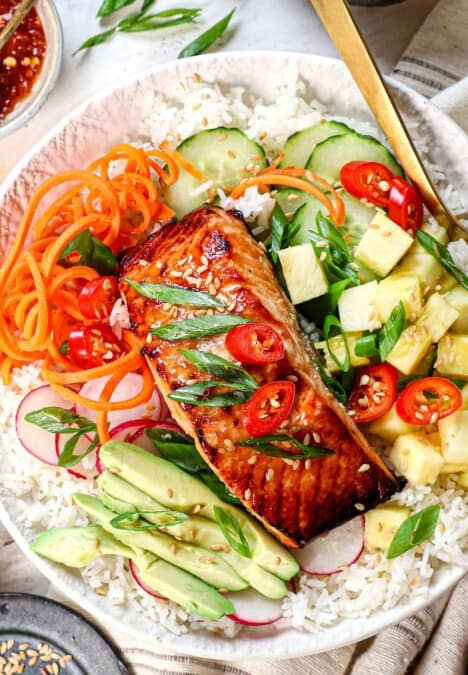
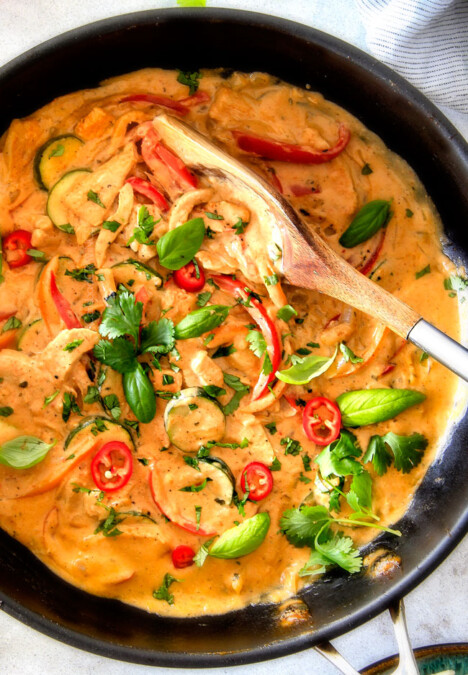
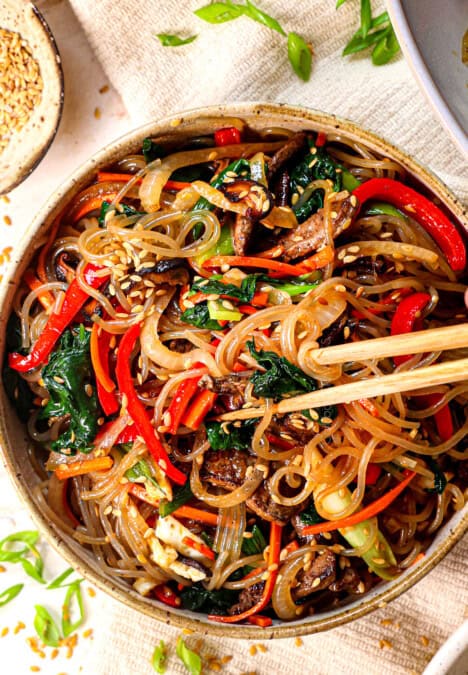
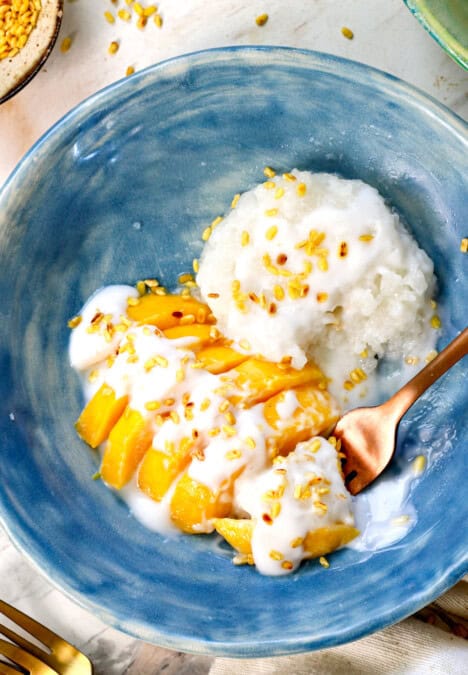
Bok choy is excellent to serve with any of your favorite Asian dishes. It pairs beautifully with:

Storing and Reheating leftover Baby Bok Choy
Storage: Leftover cooked bok choy can be stored in an airtight container for up to 2 days. The leftover stalks will be tasty but the greens can become mushy.
Reheat: Reheat bok choy in skillet over medium-low just until warmed through.
How to Store bok choy (fresh)
Store bok choy in a loose plastic bag in the vegetable drawer of your refrigerator for up to 5 days. Don’t wash the bok choy until you’re ready to cook it or it can mold and wilt prematurely.
Baby Bok Choy FAQs
The great thing about bok choy is you get two different tasting experiences from the light, crisp, and crunchy stalks on the bottom and the dark green leaves on top. The stalks have a mildly sweet flavor and a crunchy, juicy texture that reminds me of celery. The leaves have a spinach-like taste with a very mild, peppery bitterness. As bok choy matures, the bitterness increases along with subtle mustardy notes.
Both bok choy and baby bok choy have a place in your kitchen. Here’s what sets them apart:
Baby bok choy is the same vegetable as bok choy but is harvested earlier.
Mature bok choy is about a foot long, whereas baby bok choy is about half that size.
Mature bok choy has thicker stocks and a stronger more pungent flavor; baby bok choy is more mild and sweeter. Most people prefer baby bok choy over mature bok choy.
As its name implies, baby bok choy is smaller and has thinner, more tender stalks and more tender leaves.
Baby bok choy can be cooked whole but mature bok choy should be chopped.
Baby bok choy can be served fresh in salads, slaws, etc. but mature bok choy is best cooked.
Let’s talk about one more reason to love bok choy – it is super good for you! In fact, bok choy ranks sixth on the Aggregate Nutrient Density Index (ANDI) for fruits and vegetables, meaning it ranks sixth for the most nutrients per calorie (vitamins, minerals and antioxidant capacity).
In a nutshell, bok choy is low in carbohydrates and calories but high in fiber, glucosinolates, vitamins, minerals and nutrients, specifically vitamins A, C and K, beta-carotene and folate.
According to the United States Department of Agriculture (USDA) National Nutrient Database, 1 cup of raw bok choy, weighing 70 grams (g) contains:
9 calories
1.05 g of protein
1.53 g of carbohydrates
0.7 g of dietary fiber
0 g of cholesterol
31.5 mg of vitamin C
156 mcg of vitamin A (RAE)
31.9 mcg of vitamin K
46 micrograms (mcg) of folate
In addition to the nutrients above, bok choy contains small amounts of vitamin B6, potassium, iron, thiamine, calcium, magnesium and phosphorus. All of these nutrients in bok choy help your body in many ways. For example:
Vitamin C is an anti-inflammatory that can boost immune health and reduce the risk of heart disease and cancer. It also builds collagen, which forms body tissue and bone, and helps cuts and wounds heal.
Vitamin K is important for maintaining bone health and wound healing; it helps produce four of the 13 proteins needed for blood clotting.
Vitamin A helps support eye health, cell division, immune system, and reproduction. Vitamin A also helps the heart, lungs, kidneys, and other organs function properly. Vitamin A also has antioxidant properties which might protect your cells against the effects of free radicals, reducing the risk of heart disease, cancer and other diseases.
Folate is one of the B-vitamins and helps support cellular functions that gives you energy by breaking down carbohydrates, proteins and fats. It also helps your body build red blood cells which allows oxygen to be used by the body.
Glucosinolates help protects against several chronic diseases, including cancer, heart disease and diabetes.
So, in addition to how yummy this bok choy recipe is, now you have dozens of reasons to consume bok choy regularly!
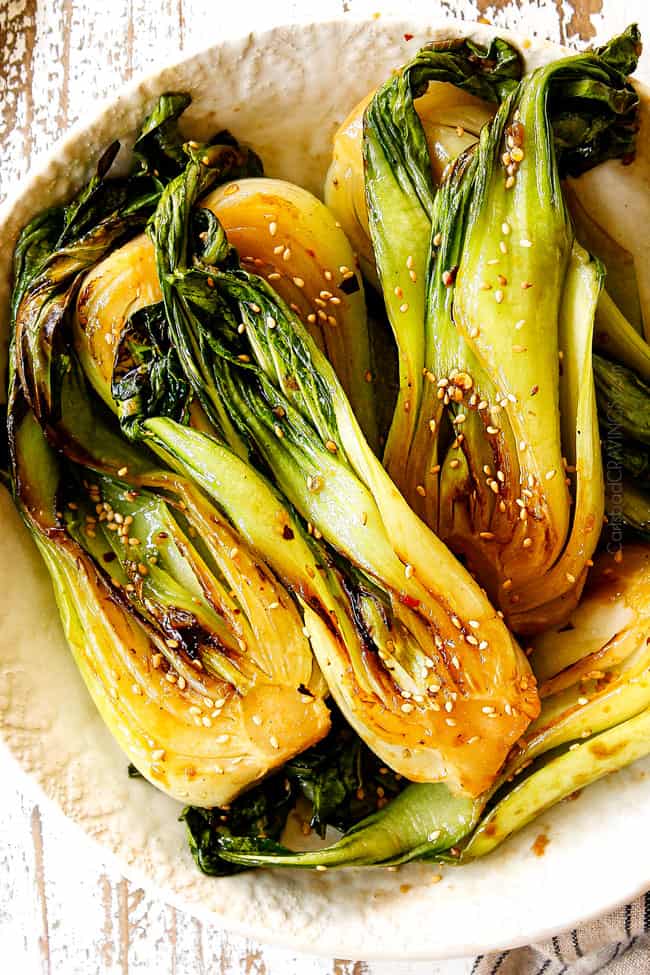
Want to try this Bok Choy RECIPE?
Pin it to your recipe BOARD TO SAVE FOR LATER!
FIND ME ON PINTEREST FOR MORE GREAT RECIPES! I AM ALWAYS PINNING :)!
©Carlsbad Cravings by CarlsbadCravings.com
Sesame Baby Bok Choy Recipe
Save This Recipe To Your Recipe Box
You can now create an account on our site and save your favorite recipes all in one place!
Ingredients
- 1 pound baby bok choy
Sauce
- 2 tablespoons less sodium soy sauce
- 1 tablespoons water
- 1 tablespoon rice vinegar
- 1 tablespoon Asian sweet chili sauce
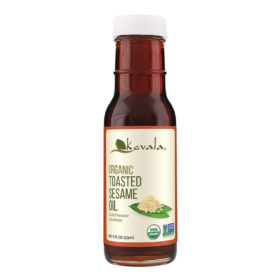
- 2 teaspoons toasted sesame oil
- 2-3 cloves garlic, minced
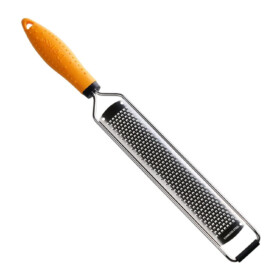
- 2 teaspoons freshly grated ginger
- 1/8-1/4 teaspoon red pepper flakes
Instructions
- Whisk the sauce ingredients together in a small bowl; set aside.
- Place the bok choy in a colander and rinse with cold water, rubbing any grit or dirt from between the leaves; pat dry with a kitchen towel or paper towels.
- Cut each bok choy in half lengthwise.
- Heat 1 tablespoon vegetable oil in a large nonstick skillet over medium-high heat. Add the bok choy in a single layer cut side down and cook without stirring until the bottoms start to brown, about 2 minutes. Using tongs, flip the bok choy over and cook until the stalks begin to soften but still have some crunch (the leaves will be wilted), about 2 additional minutes. Transfer to a plate.
- Reduce heat to medium-low and add the sauce to the skillet. Simmer for 30 seconds or until slightly thickened whisking constantly (don’t burn the garlic!).
- Add bok choy back to the skillet and turn with tongs until the sauce glazes each bok choy halve.
- Transfer to a platter and garnish with sesame seeds. Serve immediately.
Notes
Tips for This Bok Choy Recipe
- Ginger: you may substitute fresh ginger with a heaping ½ teaspoon ground ginger and add it directly to the sauce.
- Garlic: you may substitute fresh garlic with a heaping ½ teaspoon garlic powder and add it directly to the sauce.
- Asian sweet chili sauce: not to be confused with “Asian chili sauce” without the sweet. You may substitute with 1 teaspoon brown sugar and additional red pepper flakes.
- Thoroughly wash bok choy or else you’ll end up with grit in your recipe.
- Thoroughly dry bok choy so it can caramelize and doesn’t just steam.
- Use a nonstick skillet so the sauce doesn’t stick to the pan and burn.
- Press bok choy down with tongs to ensure it makes contact with the skillet.
- It’s okay if the leaves of the bok choy don’t lay in the pan and go up the sides because they take less time cook than the stalks.
- The cooking time depends on how tender you want the stalks and wilted you want the leaves.
- Don’t overcook the sauce or the garlic can burn and make the sauce bitter.
- This bok choy recipe is best served warm.
Storing and Reheating the Leftovers
- Storage: Leftover cooked bok choy can be stored in an airtight container for up to 2 days. The leftover stalks will be tasty but the greens can become mushy.
- Reheat: Reheat bok choy in skillet over medium-low just until warmed through.
Want To Make This Recipe?

Did You Make This Recipe?
Tag @CarlsbadCravings and Use #CarlsbadCravngs
Leave a Review, I Always Love Hearing From You!
Recipe adapted from Cook’s Illustrated


Mary K says
Very tasty! My husband loves it and will make again!
Jen says
Yay! Thank you so much, Mary, I am delighted this is a repeat!!
Jennifer Lefler says
This looks so good!I have followed your recipes periodically for several years and know Carlsbad CA, being from San Diego. I appreciate your thoroughness and suggested variations of cooking bok choi.. I have some languishing in my fridge that I couldn’t decide what to do with..Now I know and feel prepared. Thanks for another great recipe, Jen.
Jen says
Hi Jennifer! I’m so glad that your bok choy didn’t go to waste 🙂 Thank you for your kind words! It’s wonderful to hear from you!
Del says
Excellent and so easy ! We love this with tuna or salmon
Jen says
Thanks so much Del! I’m so glad you loved it!